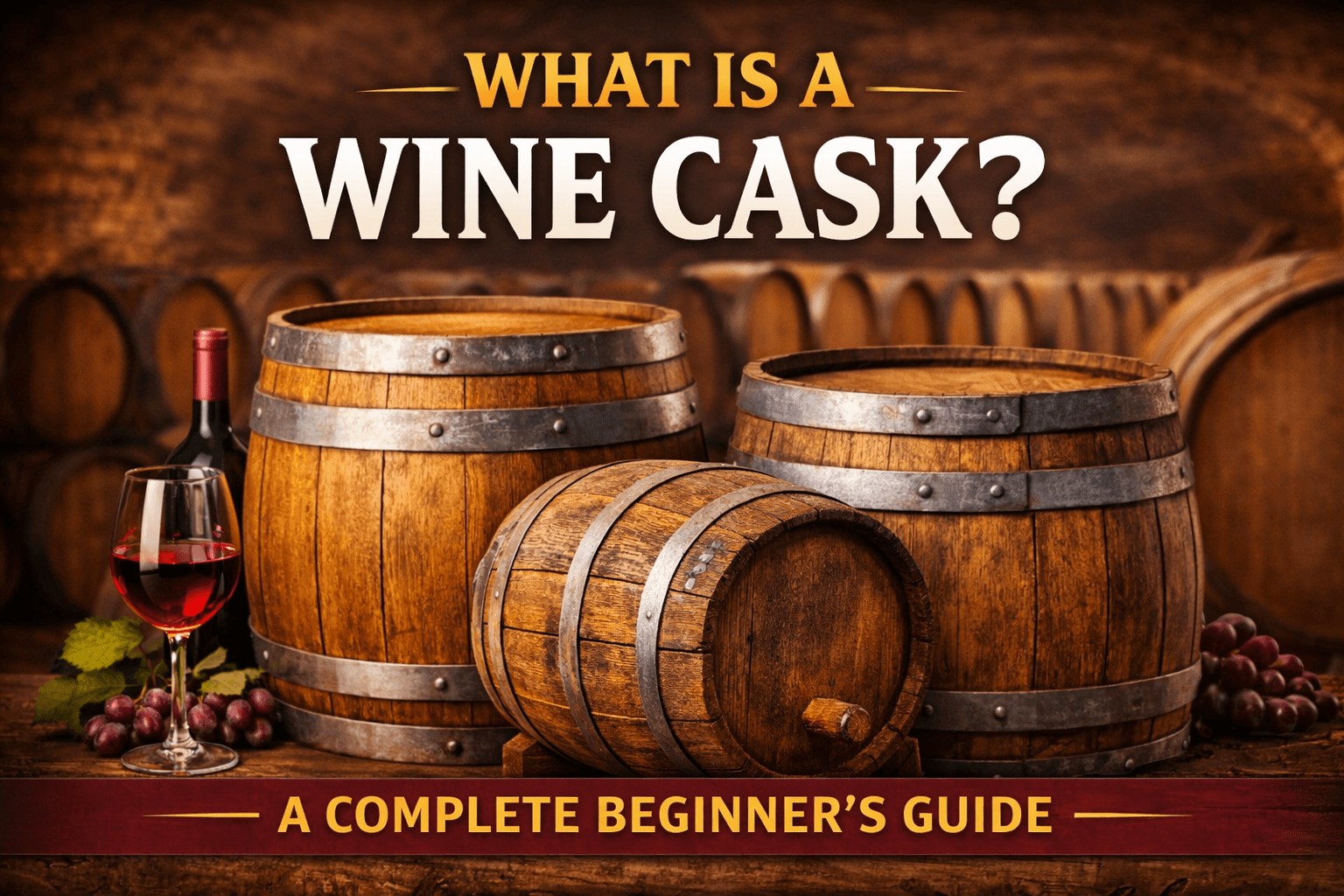
If you’ve ever wondered what a wine cask is, you’re not alone. The term is often used interchangeably with “wine barrel,” but it has a broader meaning in the world of winemaking.
In simple terms, a wine cask is a large wooden container used to ferment, store, and age wine. Most wine casks are made from oak and play a major role in shaping a wine’s flavor, aroma, texture, and aging potential.
In this guide, you’ll learn what a wine cask is, how it’s used, what it’s made from, and why it matters in winemaking.
What Does Wine Cask Mean?
A wine cask refers to any wooden vessel designed to hold wine. While many people think of the classic 225-liter Bordeaux barrel, the word “cask” can apply to:
- Standard wine barrels
- Large oak vats
- Aging puncheons
- Hogsheads
- Decorative or storage barrels
Technically, a barrel is a type of cask, but not all casks are standard barrels.
What Is a Wine Cask Made Of?
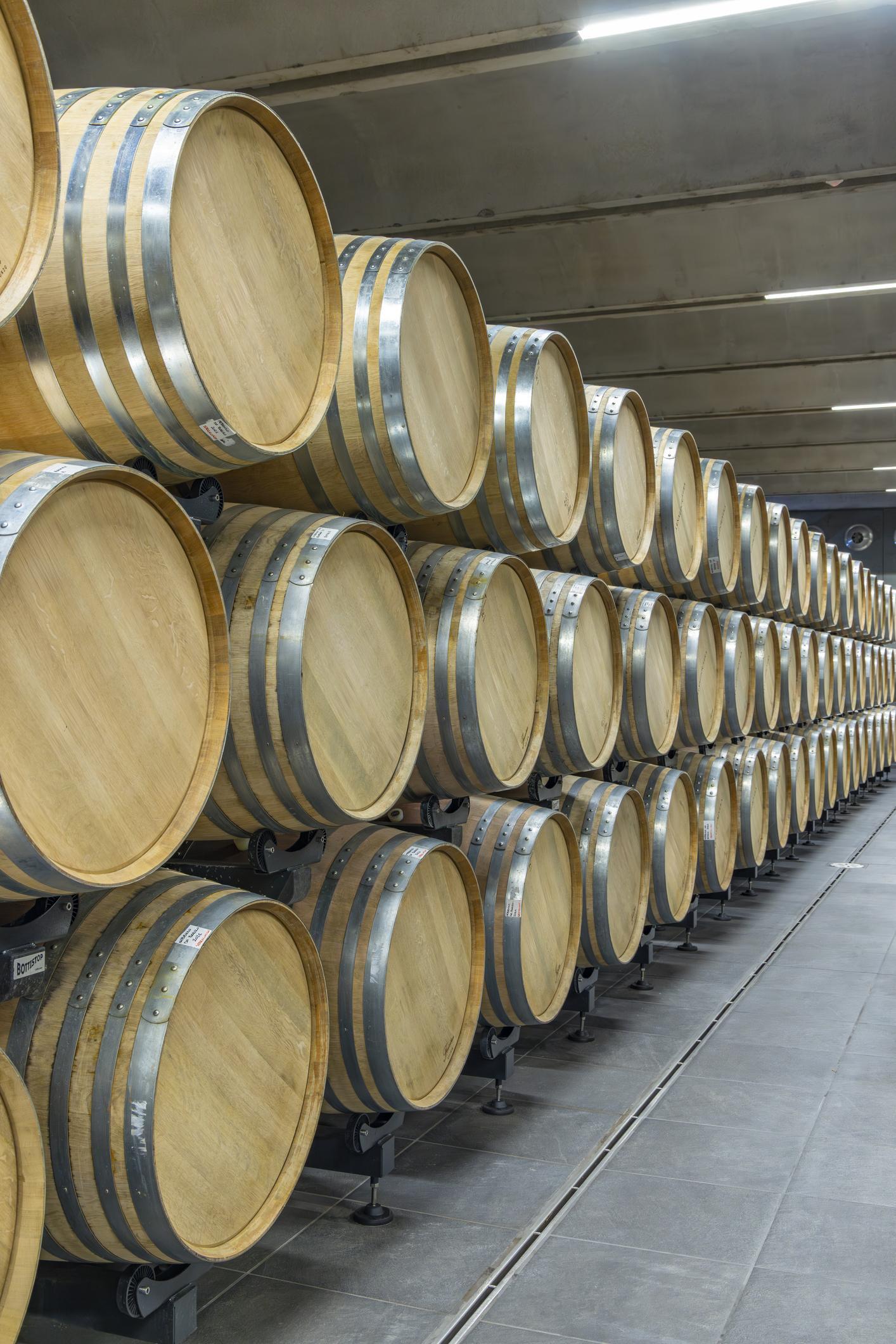
Most wine casks are made from oak wood, which is prized for its durability and ability to enhance wine flavor.
Common Oak Types Used for Wine Casks
- French Oak – Tight grain, subtle spice and elegance
- American Oak – Stronger vanilla and coconut notes
- Hungarian Oak – Balanced spice and structure
Oak is ideal because it:
- Allows slow oxygen transfer
- Adds tannins and complexity
- Enhances mouthfeel
- Improves aging potential
How Big Is a Wine Cask?
Wine casks come in different sizes depending on their purpose.
| Cask Type | Capacity | Typical Use |
|---|---|---|
| Bordeaux Barrel | 225 liters (59 gallons) | Red & white wine aging |
| Burgundy Barrel | 228 liters | Pinot Noir & Chardonnay |
| Hogshead | 300 liters | Extended aging |
| Puncheon | 450-500 liters | Slow oak influence |
| Large Foudre | 1,000+ liters | Bulk aging |
Larger casks impart less oak flavor per liter because of the lower wood-to-wine ratio.
How Is a Wine Cask Used?
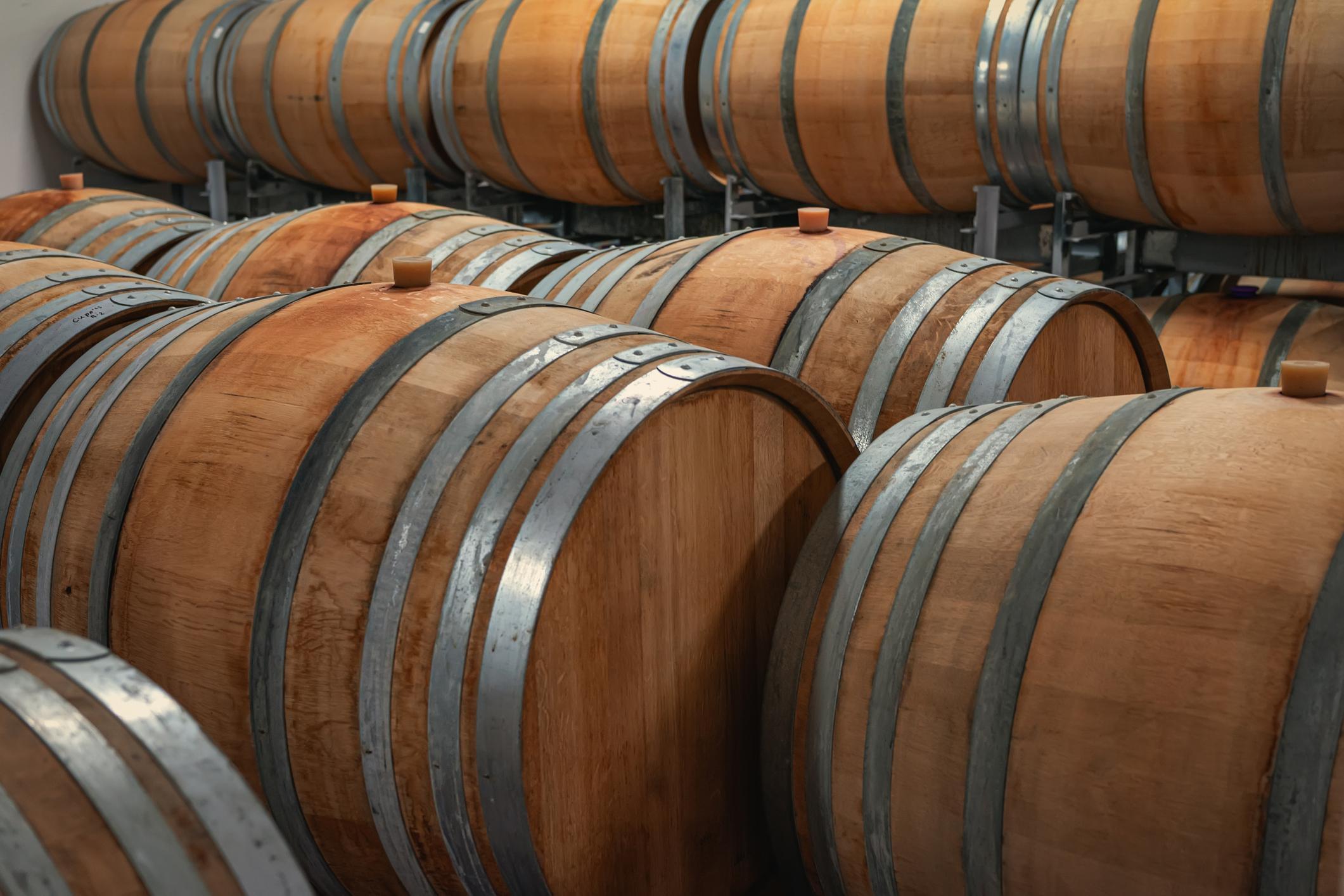
Wine casks serve three primary purposes:
Fermentation
Some winemakers ferment wine directly inside oak casks to build texture and complexity.
Aging
This is the most common use. Oak casks:
- Soften tannins
- Add vanilla, spice, toast, or smoky notes
- Allow micro-oxygenation
Storage
In traditional wineries, casks were used for storing and transporting wine.
Wine Cask vs Wine Barrel: What’s the Difference?
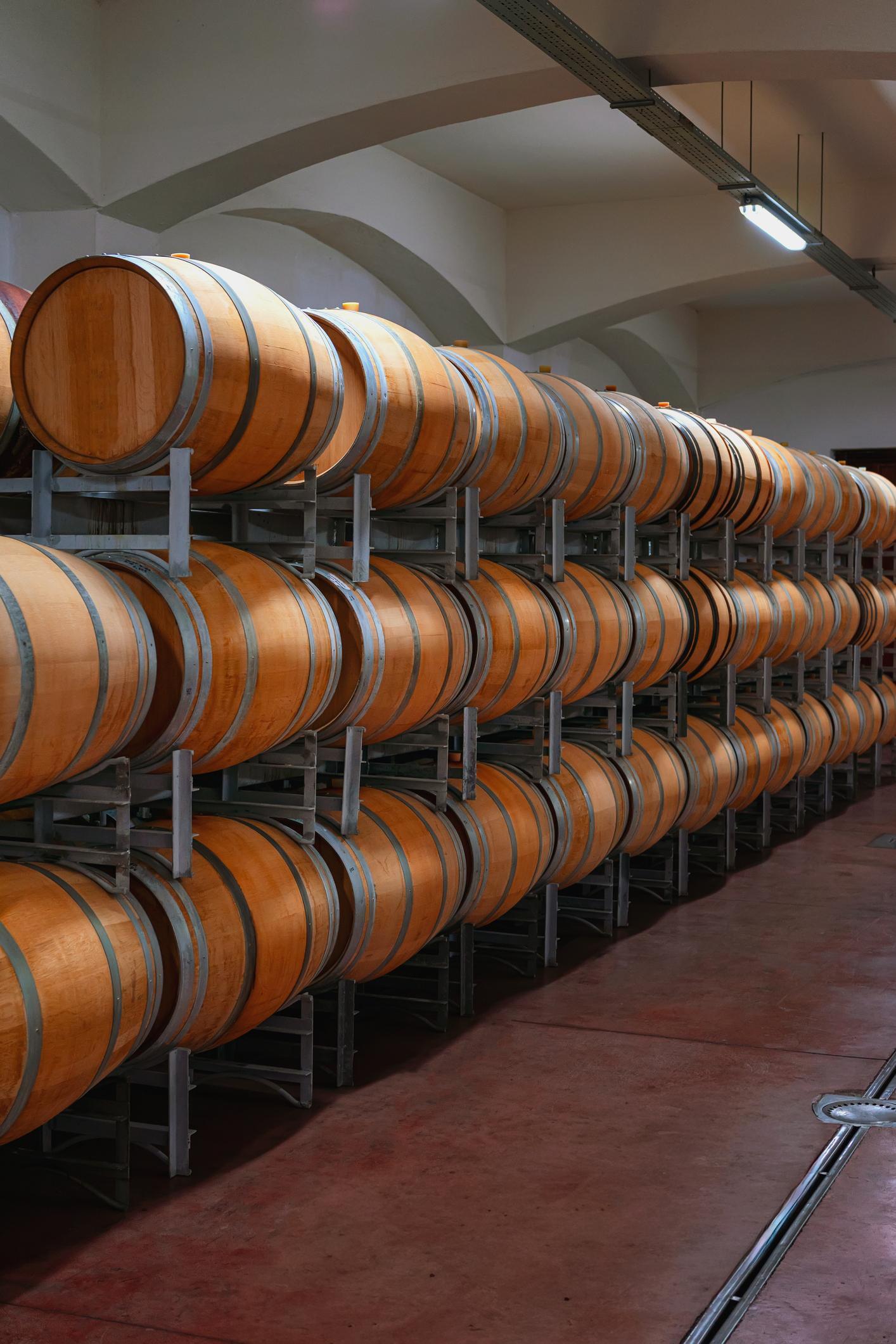
Many people search for the difference between a wine cask and a wine barrel.
Here’s the simple answer:
- A barrel is a specific size and shape of cask.
- A cask is a general term for wooden liquid containers.
In modern winemaking, the terms are often used interchangeably.
Why Are Wine Casks Important?
Wine casks are essential because they:
- Improve flavor complexity
- Help stabilize wine naturally
- Enhance aroma development
- Allow controlled oxygen exposure
- Increase wine value and aging potential
Premium wines aged in oak casks often command higher prices due to the craftsmanship and time involved.
How Long Does Wine Stay in a Cask?
Depending on the wine style, wine can remain in a cask for:
- 3-6 months (light whites)
- 6-12 months (most red wines)
- 12-24+ months (premium reds like Cabernet Sauvignon)
Longer aging generally produces more complex flavors.
Are Wine Casks Still Used Today?
Yes. While stainless steel tanks are common in modern wineries, oak wine casks remain a cornerstone of premium wine production worldwide.
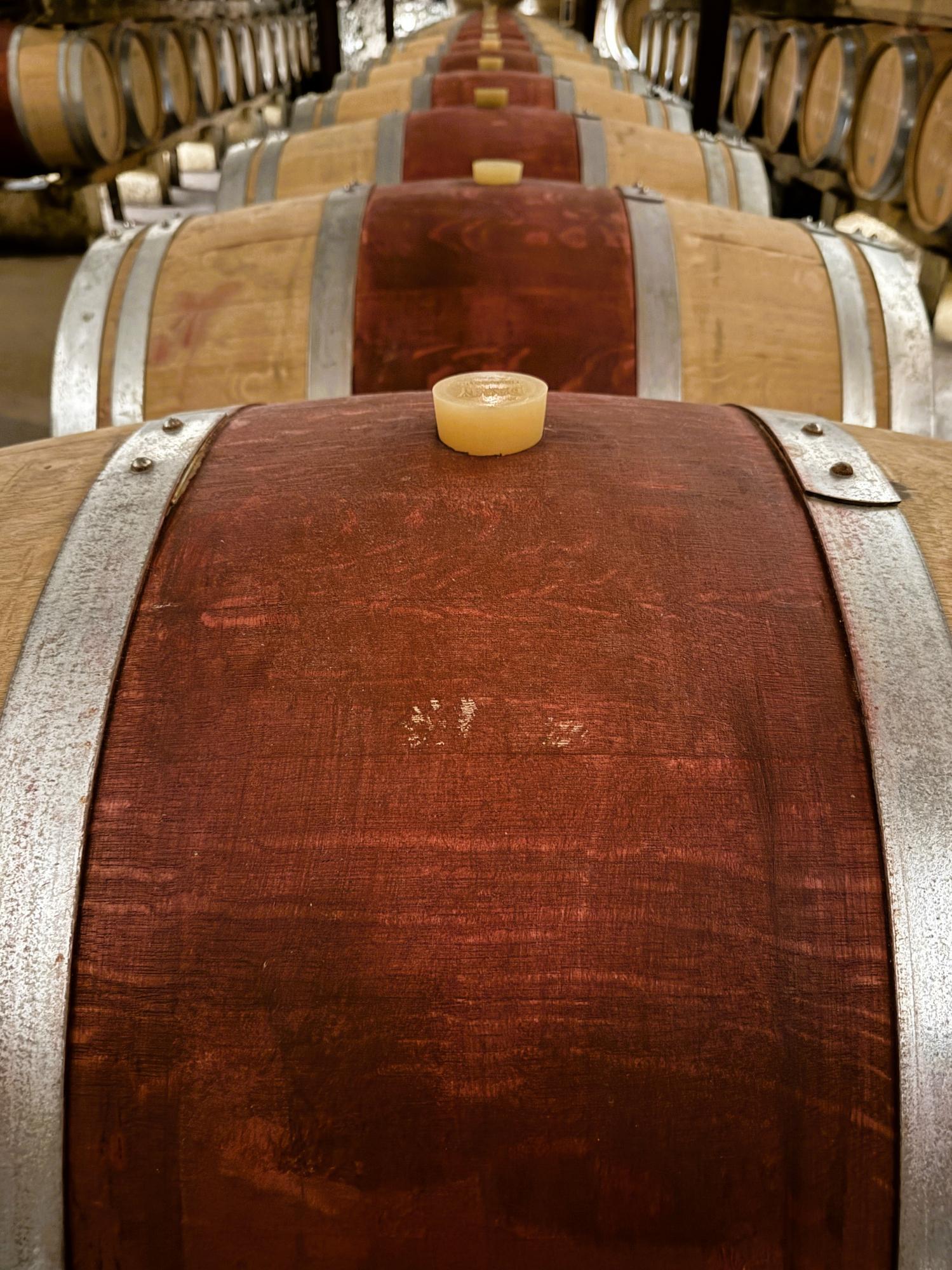
High-end wineries continue to rely on traditional cooperage techniques because oak aging cannot be fully replicated with alternatives like oak chips or staves.
Final Thoughts
So, what is a wine cask?
A wine cask is a wooden container-usually made of oak, used for fermenting, aging, and storing wine. It plays a critical role in shaping a wine’s taste, aroma, texture, and overall quality.
Whether you’re a wine enthusiast, home winemaker, or just curious about how wine is made, understanding wine casks gives you deeper insight into the craftsmanship behind every bottle.

